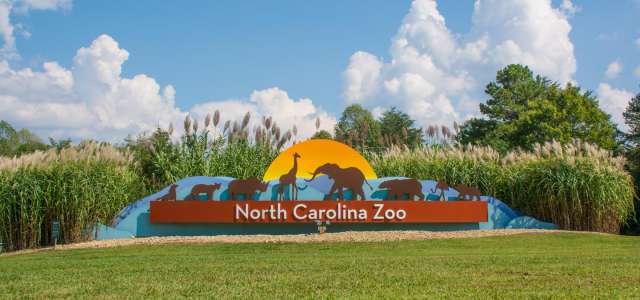
One of the most family-friendly and visited attractions in North Carolina is the 2,600-acre zoo. Some say that the zoo is the heart of the state. This particular zoo is famous for being the world's largest natural habitat zoo. When it comes to animal life in there, you won't be disappointed. The zoo has over 1,800 animals that come from more than two hundred and fifty species. The varieties of animals primarily come from Africa and North America. The zoo participates in many species' survival plans for endangered animals, including red wolves, gorillas, and white rhinos.
Layout and Attractions
The records held by the zoo are pretty impressive. They have the largest chimpanzee troops of any zoo in America and the most extensive collection of Alaskan seabirds in the country. The zoo consists of four main areas:
- North America
- Africa
- Desert
- Aviary
Most of the animals in the two main sections (Africa & North America) have sprawling natural habitats. The most visited animal habitats in the North American part are the Cypress Swamp area, Rocky Coast, Streamside, and Prairie habitats. You can see many different animals in these habitats such as alligators, cougars, polar bears, arctic foxes, horned puffins, black bears, grizzlies, red wolves, river otters, and so many more.
The Africa section is constructed of the Forest Edge habitat full of the zebras and giraffes and other species natural to the type of habitat. The Watani Grasslands Reserve is the savannah of North Carolina, and you can see elephants, gazelles, rhinos, and other cool animals. If you are a fan of chimpanzees, then you should visit the Kitera Forest habitat. And if you want to see gorillas, you should visit the Forest Glade exhibit. Some of the animals who have their habitat are the African lions, hamadryas baboons, and red river hogs.
The “Mangum Desert” section of the zoo is home to a dome of many species of reptiles and birds. The zoo also has a nocturnal part.
The R. J. Reynolds Forest Aviary is home to the species that naturally bloom and reside in tropical forests. You can take a walk and see up close over three thousand species of plant life and many kinds of free-flying tropical birds.
Plans for the Zoo
Funds for a new Asia region were acquired in 2015, and we expect to see Komodo dragons, King cobras, tigers, Chinese alligators, vultures, small-clawed otters, and many others. The official announcement was made in 2018 when the zoo announced that it was in the final stages of the planning for the two new sections – Asia and Australia. They will probably break ground sometime in 2020, and the plan is that Asia is opened as early as 2024.
Additional Attractions
The zoo organizes many events each year. You can join one of the many tours on the calendar or bring your family to one of the events. If you get tired of watching the animals exist, you can try one of the other attractions like Air Hike Ropes Course, Acacia Station Giraffe Deck, Kaleidoscope Butterfly Garden, or Treehouse Trek.